
Medical PCB manufacturer · Medical device PCB
Medical PCB Manufacturing & Medical PCB Assembly
IPC Class 3 fabrication and assembly with lot-level traceability and documentation that supports FDA 510(k), CE/MDR files and ISO 13485-aligned customer quality systems.
- IPC-6012 / IPC-A-610
- Class 3
- Material traceability
- Lot-level
- Miniaturized devices
- HDI · Rigid-flex
- Aligned processes
- ISO 13485

Overview
PCBs where failure is a patient-safety issue.
A medical PCB is a printed circuit board built for a medical device, typically to IPC-6012 Class 3 acceptance, with lot-level material traceability and documented change control that support regulatory submissions such as FDA 510(k) and CE/MDR technical files.
Medical electronics range from portable diagnostic instruments and patient monitors to MRI gradient-coil controllers, surgical-robot control boards and implant-adjacent electronics. In every case, a board failure is a patient-safety event, not just a warranty claim. That changes how the board is specified, built, inspected and documented.
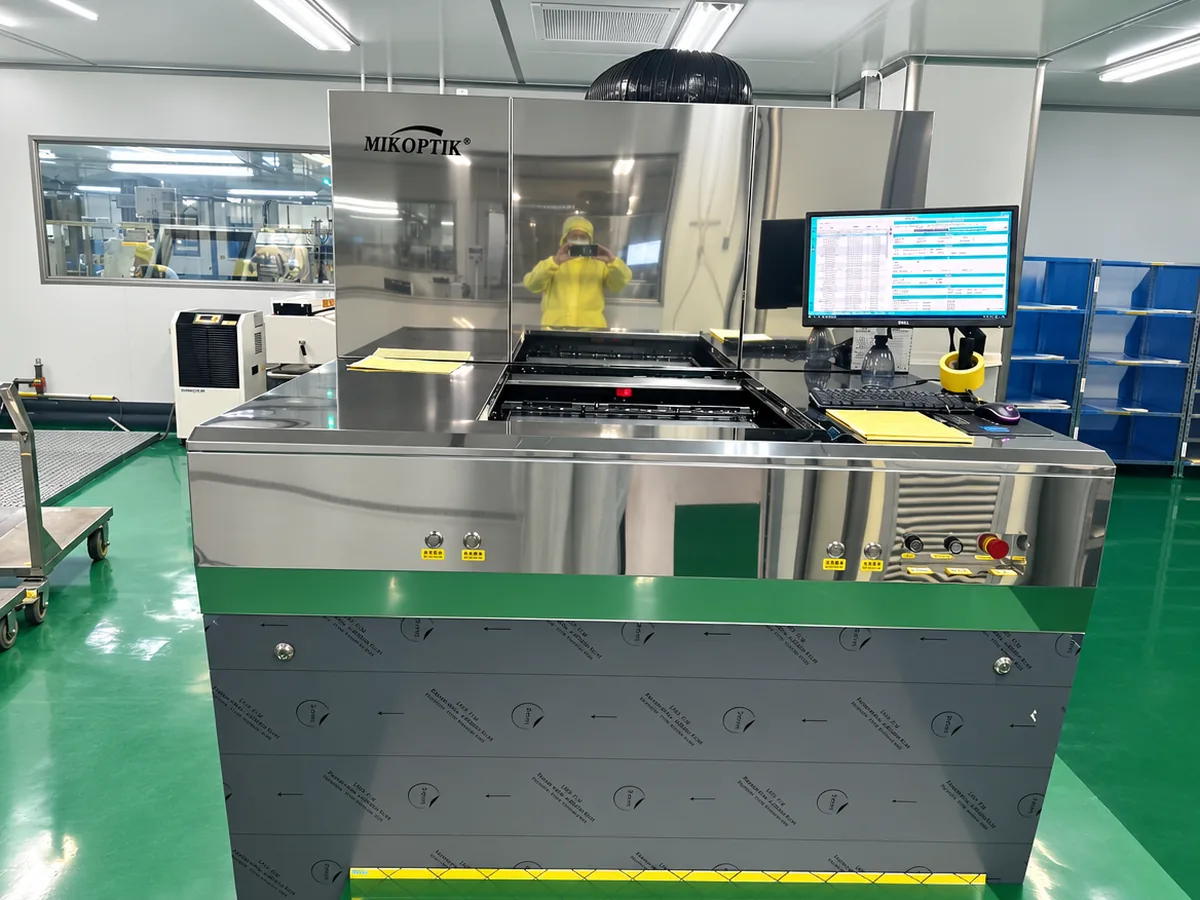
As a medical PCB manufacturer, AstroPCB locks the stack-up, materials and process route for your part number, inspects to Class 3 when you require it, and keeps the records your Design History File (DHF) and Device Master Record (DMR) depend on.
Why AstroPCB
Why choose AstroPCB as your medical PCB manufacturer.
Medical programs value repeatability over speed. We keep the same materials, process parameters and inspection plan from the first prototype through every production lot, and nothing changes without your approval.
- IPC Class 3 fabrication and IPC-A-610 Class 3 assembly on request
- Rigid-flex, flex and HDI for miniaturized and wearable devices
- Engineering since 2008: 1,000+ engineers and 30+ partner factories in Shenzhen, Xi’an, Chengdu and Hangzhou
- Written DFM review on every order, prototype or production, before fabrication starts
- 99.6% on-time delivery across the partner factory network
- From 1 piece to volume with the same stack-up and process controls
- IPC Class 2 by default, Class 3 on request, with inspection records and batch traceability
- Fabrication plus assembly: component sourcing, SMT and tracked worldwide shipping
Reliability requirements
Medical PCB reliability requirements.
Medical PCB manufacturing commonly follows IPC-6012 Class 3, and sometimes Class 3/A, acceptance criteria. Class 3 imposes the tightest limits on plating thickness, annular ring, hole-wall quality, conductor integrity and laminate condition. It is intended for products where continued performance is critical and field replacement is impractical. Class 3/A adds military and space requirements and is occasionally specified for implantable-device programs.
Long-term reliability is driven by the plated through-holes. Barrel cracking from thermal cycling, voids from poor plating and CAF growth between closely spaced holes are the classic latent failures. We control them with high-Tg CAF-resistant laminates, verified plating thickness and microsection inspection on coupons from every lot.
What we verify on every medical lot
Microsection of plated holes, plating thickness, annular ring, registration, solder mask integrity, ionic cleanliness where specified and 100% electrical test. Controlled-impedance boards also get TDR coupon measurements.
Class 2 vs Class 3
What changes between IPC Class 2 and Class 3.
| Criterion | Class 2 (dedicated service) | Class 3 (high reliability) |
|---|---|---|
| Intended use | Commercial and industrial products | Life-support, medical, aerospace, critical automotive |
| Plated-hole copper | Average ≈ 20 µm | Average ≈ 25 µm (1 mil), no voids allowed |
| Annular ring | Breakout allowed within limits | Minimum ring required, no breakout |
| Inspection & documentation | Standard sampling | Tighter sampling, microsection evidence, records retained |
| Cost / lead time | Baseline | Higher; extra inspection and coupons |
The practical difference is acceptance. A Class 2 board may ship with minor plated-hole voids that would cause a Class 3 rejection. Specify Class 3 on the fabrication drawing when the device risk class requires it. Leaving it unspecified defaults to Class 2.
Applications
Common medical PCB applications.

Patient monitoring
Multilayer boards with controlled impedance for high-speed data acquisition and wireless links in bedside and ambulatory monitors.
Multilayer PCB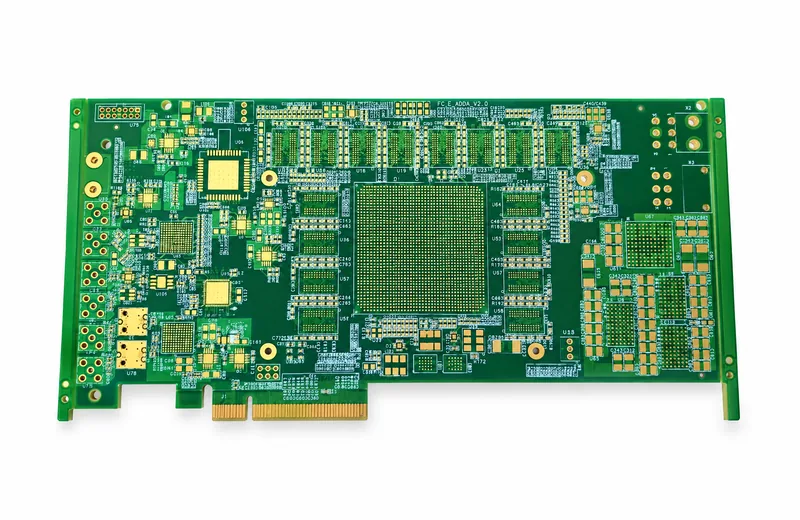
Diagnostic imaging
Large-format multilayer boards for CT, MRI and ultrasound, with heavy copper for power and precise impedance for image data paths.
Heavy copper
Surgical & robotic
Rigid-flex replaces cable assemblies in handheld surgical tools, endoscopes and robotic controllers, cutting size, weight and failure points.
Rigid-flex PCBWearables
Thin flex and HDI boards for patches, Holter recorders, hearing devices and continuous glucose monitors.
Flex PCBLab & in-vitro diagnostics
Mixed-signal boards with low-noise analog front ends and precision references.
PCB design serviceMaterials
Medical device PCB materials.
| Device need | Typical material | Why |
|---|---|---|
| General medical electronics | High-Tg FR-4 (e.g. Isola 370HR) | Thermal reliability and CAF resistance |
| Wearables, endoscopes | Polyimide flex / rigid-flex | Thin, flexible, dynamic bending |
| MRI coils, wireless monitors | Rogers / PTFE | Stable Dk, low RF loss |
Material choice also affects sterilization resistance (autoclave, EtO, gamma), outgassing and long-term moisture uptake. Tell us the sterilization method and environment during quoting so laminate and solder mask can be confirmed.
Medical PCB assembly
Medical PCB assembly.
Medical PCB assembly adds process validation, operator certification and environmental control to standard PCBA. Solder paste inspection, automated optical inspection and X-ray of BGA, QFN and LGA joints are performed at every applicable step. Customer functional-test procedures are executed and recorded against individual board serial numbers.
For mixed SMT and through-hole boards, we plan the assembly sequence to limit thermal exposure of sensitive components while still getting reliable joints. Conformal coating is applied where specified for moisture or contamination protection. Components come only from authorized channels, with lot traceability.
- IPC-A-610 Class 3 workmanship on request
- SPI, AOI and X-ray inspection
- Serialized functional test records
- Ionic cleanliness testing on request
- Conformal coating per drawing
- See turnkey and low volume assembly
Traceability
Material traceability for regulated devices.
We keep lot-level traceability for laminate, copper foil, solder mask, surface-finish chemistry and solder paste. Each board or panel can be traced to the material lots used and to key process parameters: lamination temperature and pressure, plating bath analysis and reflow profile. These records support the DHF and DMR requirements of the FDA Quality System Regulation (21 CFR 820) and its successor QMSR.
Compliance
Certifications and documentation.
| Document | Purpose |
|---|---|
| Material certificates of conformance | Prove laminate, foil and finish identity and lots |
| Microsection / cross-section report | Evidence of plating and hole quality |
| TDR impedance report | Controlled-impedance verification |
| First-article inspection report | Baseline for change control |
| Class 3 inspection records | Acceptance evidence for the lot |
| RoHS / REACH declarations | Substance compliance — see certifications |
AstroPCB supports device makers with processes aligned to ISO 13485 requirements, IPC-6012 Class 3 capability and UL recognition for the laminate systems and constructions in production. Ask for current certificates during quoting. The regulatory submission itself remains the device manufacturer’s responsibility.
RFQ
What to send for a medical PCB quote.
- Gerber/ODB++/IPC-2581, drill and fabrication drawing
- IPC class (fabrication and assembly) and any Class 3/A requirement
- Device class (FDA I/II/III) and CE/MDR context
- Material, finish and sterilization requirements
- Test and inspection requirements; serialization
- BOM and centroid for assembly; approved vendor list
FAQ
Frequently asked questions.
What makes a PCB medical grade?
Fabrication and assembly to IPC Class 3 acceptance with lot traceability, documented change control and inspection evidence matched to the device risk class.
What certifications are needed for medical PCBs?
Typically ISO 13485-aligned processes at the device maker, IPC-6012 Class 3 fabrication and UL recognition for safety listing. Implant programs may add Class 3/A and extra reliability testing.
What materials are used for medical PCBs?
High-Tg FR-4 such as Isola 370HR for most devices, polyimide for flex and wearables, high-reliability laminates for harsh environments and Rogers/PTFE for RF devices such as MRI coils.
Do you offer medical PCB assembly?
Yes: turnkey or consigned assembly to IPC-A-610 Class 3 on request, with SPI, AOI, X-ray, serialized functional test and conformal coating.
How do you ensure traceability?
Every order keeps lot records from raw-material certificates through fabrication and test, including laminate lots, bath analysis and test results, available with the shipment on request.
Are you ISO 13485 certified?
Our processes are aligned with ISO 13485 requirements and support customer QMS documentation; request current certificates during quoting.
Can you support FDA 510(k) or CE submissions?
We provide the traceability, inspection and material documentation typically referenced in 510(k) and CE technical files; the submission itself is the device maker’s.
Ready when your files are
Send your design and compliance requirements.
Upload Gerber, ODB++ or IPC-2581 data. Every quote includes a written engineering DFM review, typically within one business day.